The short answer
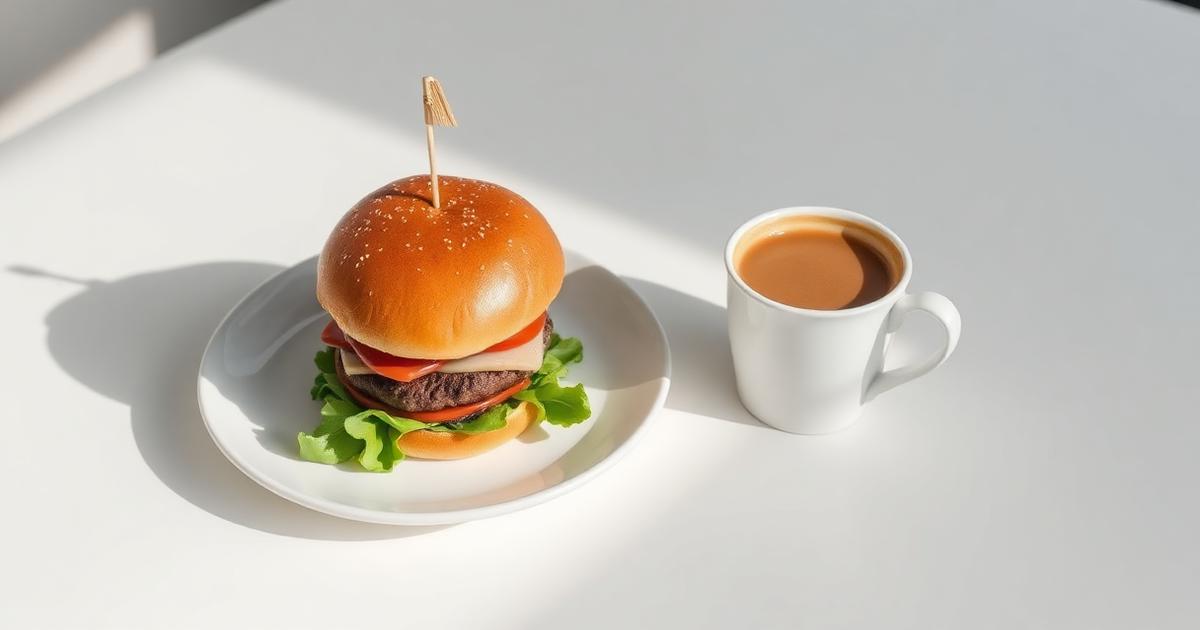
A professional food photo is the primary driver for orders on delivery apps like Talabat or HungerStation. Using AI to enhance lighting and backgrounds allows you to turn simple phone photos into studio-quality assets that look delicious and trustworthy. Focus on capturing a clear shot of the actual dish, then let AI handle the professional styling around it.
Why does food photography matter for delivery apps?
On delivery platforms, customers scroll past dozens of options in seconds. They don't read descriptions until a photo stops them. A weak or poorly lit photo often results in the customer skipping your restaurant entirely, regardless of how good the food actually is. High-quality imagery creates an immediate emotional connection and perceived value.
- Visual stop: Quality photos stop the scroll and increase click-through rates.
- Perceived Quality: Better photos justify higher prices and build brand authority.
- Customer Trust: Clear photos set realistic expectations, reducing complaints.
- Consistency: A uniform look across the menu makes the restaurant look professional.
What are the basic shooting rules inside the restaurant?
You don't need a studio to get started, but you do need to follow basic photography principles. The key is to capture the 'soul' of the dish before it loses its freshness.
- Natural Light: Turn off yellow ceiling lights and shoot near a window for soft side light.
- Speed is Key: Photograph the dish immediately after plating; cheese loses its shine in minutes.
- Cleanliness: Ensure the plate is spotless and the surface is crumb-free.
- Tight Framing: Give the dish 80% of the frame to make the food the hero.
- Consistency: Stick to one angle (like 45 degrees) for the entire menu.
How can AI improve food photos without being misleading?
AI should be used to enhance the environment, not to fabricate the food. By keeping the core dish authentic and using AI to fix the 'packaging', you achieve professional results without deceiving the customer.
- Background replacement: Swap a messy kitchen counter for a clean marble or wooden table.
- Lighting correction: Add dramatic side lighting or soft shadows to create depth.
- Steam and Freshness: Add subtle steam or moisture effects to make the food look hot and fresh.
- Depth of Field: Blur the background to keep the focus entirely on the main dish.
| Feature | Action | Result |
|---|---|---|
| Lighting | Add soft side light | Appetizing look |
| Background | Replace with textures | Premium feel |
| Styling | Add steam/props | Freshness |
| Consistency | Match all photos | Professional menu |
What are the limits of AI in restaurant photography?
Integrity is vital for long-term customer retention. If the delivered food doesn't match the photo, you will face bad reviews and high refund rates. Follow these ethical boundaries:
- No Fake Ingredients: Never add ingredients that aren't actually in the served dish.
- Honest Portions: Don't double the size or quantity of the food in the photo.
- Color Realism: Keep colors close to reality; extreme saturation looks fake.
- Internal Links: For better results, see our guide to product ads on social media or learn how to write prompts.
Frequently asked questions
Can I use my phone for food photography?
Yes. Using a phone with natural window light and the right angle produces great results. You can then use AI to polish the background and lighting for a studio finish.
What is the best angle for food photos?
Flat dishes like pizza look best from above (90°). Taller items like burgers or drinks look best from a 45° angle or eye level to show the layers.
Is AI food photography misleading?
It is only misleading if you change the ingredients or size. Enhancing the lighting, background, and presentation is standard practice that builds appetite without lying.